GEMSTONEWELL
How to Make Moon Water, and How to Use It With Crystals
How to make moon water step by step with a clean lidded jar, safe water and the fridge, plus how to use it and which crystals can go in it.
 By Gemstone Well
Published
This article links to Gemstone Well products. It is for learning only; crystal meanings are traditions, not medical advice.
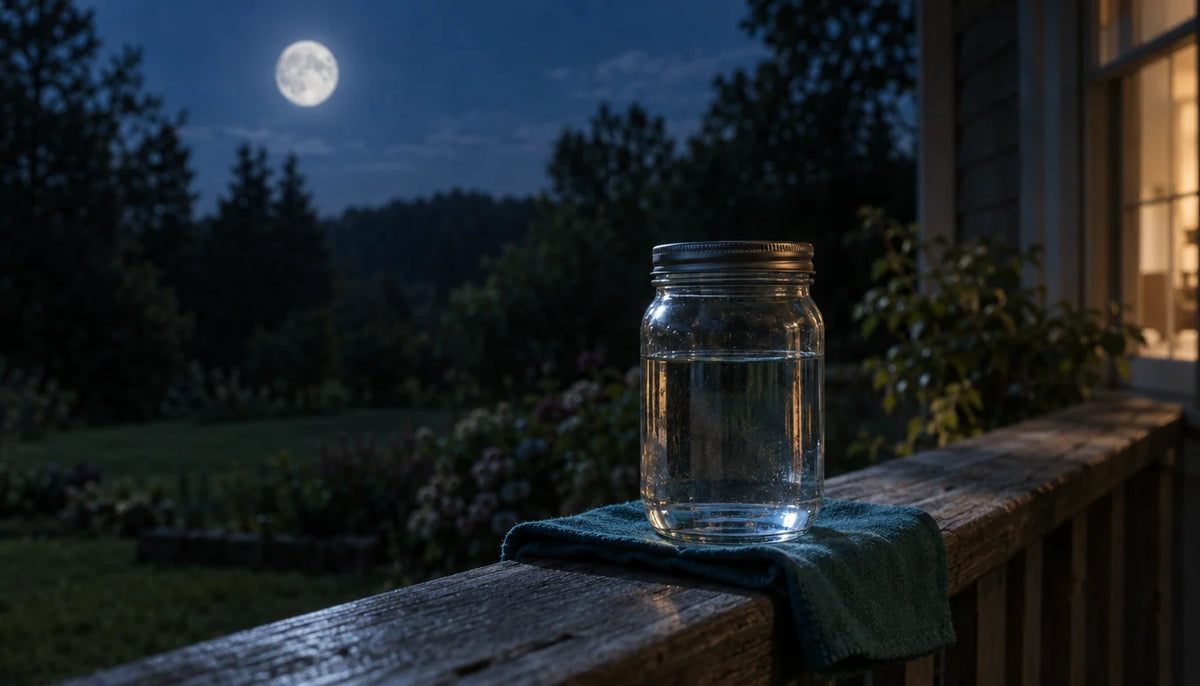
The full moon is a few nights away, and you'd like to try making moon water without doing anything unsafe. The idea is simple. You leave clean water in a lidded glass jar under the moon overnight, with an intention in mind. In the morning you bring it in and keep it in the fridge.
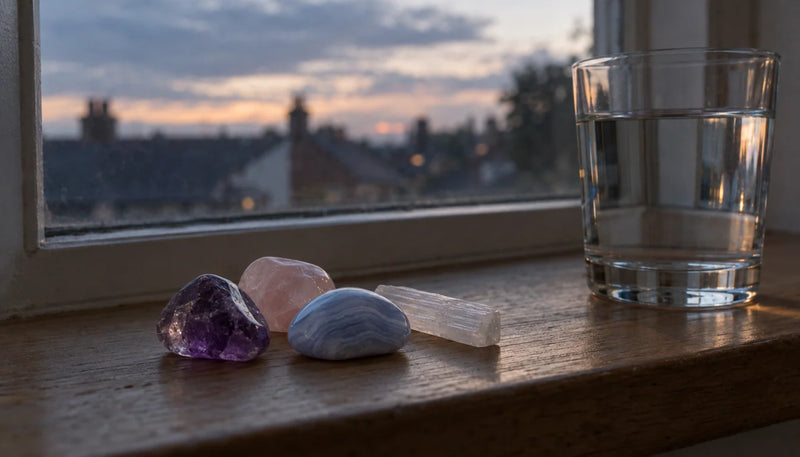
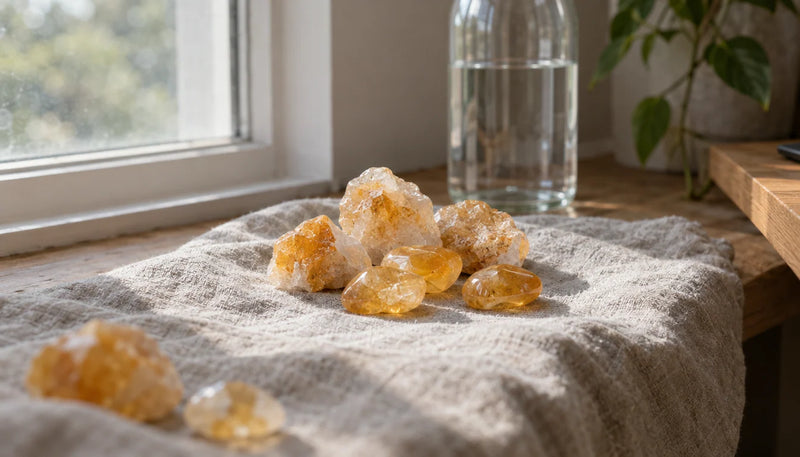
Some people add crystals to the ritual. Gem water is water that has sat near gemstones, and a crystal elixir is the same idea made as a ritual drink or spray. If you want to try either one, use only water-safe stones, or keep the stone outside the water.
All you need is a clean glass jar with a lid, safe water, and one night.
What is moon water?
In spiritual traditions, moon water is water left out under the moon to hold an intention. Most people make it under a full moon. An intention is a calm, simple purpose you choose, like rest or a fresh start.
The folklore is old. People have long linked the moon with cycles, tides and renewal. Today the practice shows up in Wicca and modern witchcraft, and plenty of people with no tradition at all enjoy it too.
Gem water and crystal elixirs are close cousins. Some people set a glass of water with a stone under the full moon, so the two rituals often meet.
Research hasn't shown any health effects from this kind of water. It's a ritual and a quiet pause, and believers and skeptics alike can enjoy it.
How do you make moon water safely?

Making it safely takes 6 steps, and the fridge does most of the safety work. Follow these:
- Pick a clean glass jar with a lid. The lid keeps bugs, dust and fingers out.
- Fill it with drinking-quality water if you plan to drink it. That way the water starts out safe.
- Set your intention. Hold the jar and say one simple purpose out loud, or write it down.
- Leave it out overnight. Put the closed jar where moonlight reaches it, like a porch or windowsill.
- Bring it in before strong sun. Warm water gives germs a better chance to grow.
- Store it in the fridge, at 40°F or colder, and use it within a few days.
The jar matters most. A lid keeps hands, cups and dust from touching the water. Wash the jar well with hot, soapy water and rinse it before you fill it. Never use a container that once held chemicals, and skip plastic jugs that held milk or juice, because leftover sugar and protein can feed bacteria.
Keep the jar away from anything like gasoline, cleaning products or garden sprays while it sits outside, too.
Water type counts as well. City tap water is generally safe to drink and store. Water from a well, a stream or a rain barrel can carry germs, so don't drink moon water made with it unless you have treated it first.
The real safety issue is bacteria, not the moon. Sunlight and warmth help algae and bacteria grow in stored water. That's why the jar comes in before the sun gets strong and goes straight into the fridge.
If you plan to drink it, sooner is better. University extension guides on stored drinking water say to keep an opened container at or below 40°F and use it within a day or two. Pour from the jar into a glass instead of drinking straight from it.
Which moon phase should you use?
Full moon water is the classic choice, and the new moon is the other common one. Some people also make it on eclipse nights, purely as a tradition.
In moon traditions, each phase gets its own kind of intention. Pick the one that matches what's on your mind.
| Moon phase | Intention people often set |
|---|---|
| New moon | Fresh starts and planning |
| Waxing moon | Building habits and steady growth |
| Full moon | Release and gratitude |
| Waning moon | Letting go and clearing out |
These are traditions, not rules. The moon goes through all 4 phases in about a month, so another chance always comes.
If a waxing moon is the night you can manage, that's your moon. A small ritual done on a real Tuesday beats a perfect one you keep putting off.
How do people use moon water?
People use it in quiet ways around the home and garden. Drink it only if you made it with safe water in a clean, lidded jar.
Common uses include:
- Watering houseplants or a small herb garden
- Adding a splash to a bath
- Cleansing a space by sprinkling a few drops or wiping a windowsill
- Holding or sipping it during a journaling ritual
- Drinking it, only if it started as safe water and stayed in the fridge
Leftovers are easy. Pour them on a houseplant or into the garden instead of keeping them for drinking.
Can you put crystals in moon water?

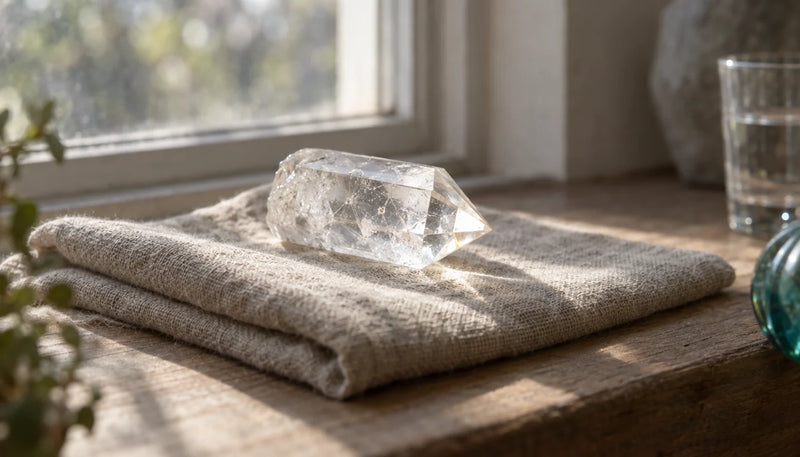
Yes, you can add water-safe crystals like clear quartz and rose quartz. Soft, soluble or toxic stones, like selenite, malachite and pyrite, should never go in. That one rule is the core of gem water safety.
Hardness is a good first check. Mohs hardness is a 1 to 10 scale of how easily a mineral scratches. Soft stones can crumble, dissolve or shed bits into the water.
Here's a quick safe-or-not list:
- Clear quartz: commonly used as a water-safe stone
- Rose quartz: yes, since the quartz family is hard and doesn't dissolve in water
- Selenite: no, it's soft and dissolves
- Pyrite: no, it breaks down in water
- Malachite: no, it's soft and contains copper
The quartz family is a group of minerals made of silicon dioxide. They rank 7 on the Mohs scale, so they hold up well.
Selenite surprises many beginners, since its name comes from the Greek word for the Moon. Wikipedia describes it as a clear form of gypsum that ranks 2 on the Mohs scale, which means a fingernail can scratch it.
Gypsum also dissolves in water. In Greece, ancient selenite stones at the palace of Knossos are slowly breaking down from rain and damp, as a research paper on preserving selenite describes.
Pyrite is a no for a different reason. The University of Minnesota's Common Minerals page on pyrite explains that when water moves through pyrite, the mineral can break down and release sulfur that forms sulfuric acid. Keep it well away from the jar.
Malachite is a copper mineral. Copper isn't something to soak into your drinking water, so keep it dry.
Want to use a stone you can't soak? Try the indirect method. You seal the stone in a small glass container and set that inside the water, or simply place the stone next to the jar. The stone never touches the water. For a longer list of stones, see Gemstone Well's guide on which crystals can go in water.
What if the moon isn't cooperating?
A cloudy night still works for moon water, because the ritual is about your intention. Set the jar on a windowsill, balcony or porch. A night you chose still counts.
Apartment living is fine too. A windowsill works. Keep the jar covered and bring it in before strong sun.
Is it safe to drink? Only if you started with drinking water, used a clean jar with a lid, and kept it cold. If you aren't sure about any of those, use it on your plants instead.
Curious about real water on the Moon? Scientists have found ice in dark craters near the poles and traces of water in the soil, but liquid water can't last on the Moon's surface.
Some readers ask about faith. This ritual is a modern spiritual practice. If you follow a faith tradition, you can decide for yourself whether it fits.
Where Gemstone Well fits
Gemstone Well's Elixir2Go glass bottles suit people who want crystals in a daily water ritual without soaking the stones. The stones sit in a separate chamber, so they never touch the water.
That two-chamber design works like the indirect method, in a bottle you can carry. You unscrew the bottom cap to change the stones. Make your moon water at home, then pour it in and take the ritual along.
The water stays on one side, and the stones stay on the other. You can browse the bottles by the intention each one is linked to in the Shop By Energy collection.
Quick recap
Moon water takes a clean glass jar with a lid, safe water, an intention, and one night outside. Bring it in before strong sun, keep it in the fridge, and use it within a few days, or within a day or two if you plan to drink it.
For crystals, choose water-safe stones like quartz, or keep the stone sealed away with the indirect method.
FAQ
Is gem water the same as moon water?
They're related but not the same. Gem water is water made near gemstones. Moon water is water left under the moon overnight with an intention, and many people combine the two.
Can rose quartz go in moon water?
Yes. Rose quartz is part of the quartz family, which is hard and doesn't dissolve in water.
How long does moon water last in the fridge?
Use it within a few days. If you plan to drink it, use it within a day or two, which is what guides on stored drinking water suggest.
Which crystals should never go in water?
Selenite, malachite and pyrite should stay out. Selenite is soft and dissolves, pyrite can break down into sulfuric acid, and malachite contains copper.
Do I need a full moon to make it?
No. The full moon is the classic choice, but people also use the new, waxing and waning moons. A cloudy night still counts.

The Gemstone Well team writes about crystal water bottles, gemstone meanings and simple daily rituals. About us